As Amazon Associates, we earn from qualifying purchases. This means we may receive a small commission at no extra cost to you if you click through and make a purchase.
As an Amazon Associate we earn from qualifying purchases. Links on this page are affiliate links.
Voltage Explained for E-Bikes
Voltage is the electrical pressure that pushes current through your e-bike’s system. Think of it as water pressure in a hose. Higher pressure moves water faster. Similarly, higher voltage delivers more power to the motor. This spec is critical for performance. You will see values like 36V, 48V, 52V, 60V, or 72V on product listings. These numbers indicate the battery’s capacity to drive the motor. The voltage explained here helps you choose the right power level for your needs.
Most standard e-bikes use 36V or 48V batteries. These are common for city commuting and light trails. They offer a balance of power and efficiency. If you need more speed or torque, look for 60V or 72V systems. These higher voltages are found on powerful scooters and high-performance bikes. They can handle steeper hills and heavier loads. The 52V option sits between standard and high-end, offering a slight boost over 48V systems.
Voltage works with the motor’s controller. The controller manages how much power flows from the battery to the motor. A higher voltage system can run a more powerful motor. This results in faster acceleration and higher top speeds. However, it also draws more energy from the battery. This may reduce your total range on a single charge. You must consider both voltage and battery capacity together.
When shopping, check the battery label for the voltage rating. It is usually printed clearly near other specs. Do not confuse voltage with wattage. Wattage measures the rate of energy use. Voltage measures the electrical potential. Both matter, but they describe different aspects of performance. Understanding this distinction helps you compare products accurately. Choose the voltage that matches your riding style. For casual rides, 36V or 48V is sufficient. For serious performance, 60V or 72V is better. Always verify the spec in the product data before buying.
Compare E-Bike Voltage Options
36V
This voltage offers the lowest power output among common e-bike systems. It suits casual riders and teens who prioritize safety and ease of use over speed. The AVDLBIKE 16" Fat Tire E-Bike exemplifies this category. It delivers a top speed of 20 MPH and a range of 45 miles. This setup is ideal for flat terrain and short commutes. You get a stable, low-speed ride suitable for varied terrain. The trade-off is limited hill-climbing ability and slower acceleration. It sacrifices range and raw performance for a compact, UL-certified build. This option fits smaller adults seeking a manageable bike for neighborhood rides.
48V
The 48V system strikes a balance between power and efficiency. It provides reliable performance for mixed terrain and daily commuting. The Jasion RetroVolt and TST 2000W bikes both use this voltage. They offer top speeds around 30 MPH and robust 15Ah batteries. This level supports full suspension systems for better comfort. You get versatile range without excessive weight or cost. The trade-off is less raw speed compared to higher voltages. It fits riders who prioritize comfort and reliability over extreme acceleration. This is a solid choice for adults tackling varied surfaces. You gain good torque for moderate hills without the bulk of high-voltage systems.
52V
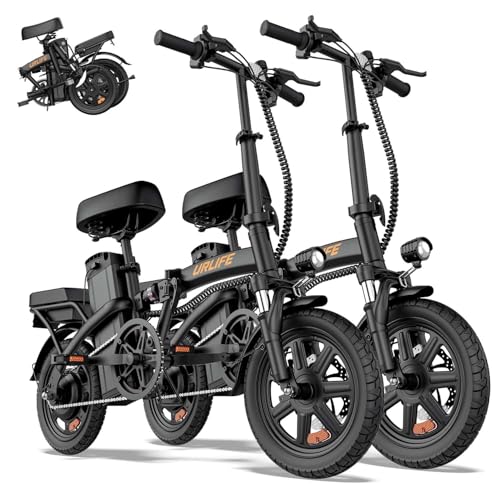
A 52V battery provides a noticeable boost in power and torque. It is excellent for hill climbing and carrying heavier loads. The DTTZH 3000W Folding Ebike uses this voltage with a 25Ah capacity. This setup delivers strong acceleration and sustained power. You benefit from a portable design without sacrificing performance. The trade-off is slightly higher cost and weight than 48V models. It fits riders who need extra power for steep inclines. This voltage is common in folding e-bikes for commuters. You get a practical balance of portability and hill-climbing capability. It is ideal for urban environments with varied elevation.
60V
The 60V system delivers significant power for high-speed riding. It is suited for off-road enthusiasts who need stability and speed. The DTTZH 60V Fat Tire E-Bike reaches 50 MPH. This voltage supports larger motors and higher top speeds. You get strong performance on varied and rough terrain. The trade-off is increased energy consumption and potentially shorter range. It fits riders who prioritize speed and terrain handling. This option is less common in standard city bikes. You gain off-road capability and robust acceleration. It is ideal for those who frequently ride on trails or uneven surfaces.
72V
72V represents the highest power output in this comparison. It is designed for extreme performance and long-range touring. The ANIIOKI 72V Dual Motor E-Bike exemplifies this tier. It offers extreme range and stability for rough ground. You get maximum torque and speed for challenging conditions. The trade-off is significant weight, cost, and complexity. It fits riders who prioritize voltage and tire width over portability. This system is not ideal for casual or short commutes. You gain touring capability for long distances. It is best for experienced riders seeking maximum power and range.
Is High Voltage Worth The Cost
Who needs it
You need higher voltage if you ride hills often or carry heavy loads. Systems like 60V and 72V provide the electrical pressure required for steep climbs. They keep the motor running efficiently without straining the battery. If you commute long distances, these specs help maintain consistent speed. You will notice better acceleration when starting from a stop. This is crucial for safety in traffic. Riders who want maximum range also benefit. Higher voltage reduces current draw, which can improve efficiency on flat roads. If you plan to add cargo or passengers, the extra power headroom prevents performance drops. Choose 48V or 52V for a balance of power and battery life. These levels suit most daily riders who face moderate terrain. You get reliable assistance without overcomplicating the system. It is the sweet spot for general use.
Who can skip it
You can skip high voltage if you ride on flat ground. Casual riders rarely need the extra power of 60V or 72V systems. Lower voltage options like 36V are sufficient for short trips. They are lighter and often simpler to maintain. If you prioritize ease of use, stick to standard specs. You do not need complex electrical systems for neighborhood rides. Focus on battery capacity instead for longer range. A larger amp-hour rating gives you more distance than higher voltage alone. Also, consider weight. Heavier motors and batteries from high-voltage systems can make the bike harder to maneuver. If you live in a walkable area, basic specs meet your needs. Save complexity for off-road adventures. Simple systems are easier to repair and less prone to issues. Prioritize comfort and reliability over raw speed.
E-Bike Voltage Glossary
Voltage
The electrical pressure pushing current through your system. Higher voltage means more power for the motor, similar to water pressure in a hose.
Amp Hours
A measure of battery capacity. It indicates how much energy the battery stores. More amp hours mean a longer riding range on a single charge.
Motor Power
The strength of your e-bike’s motor, measured in watts. It determines acceleration and hill-climbing ability. Common ratings range from 250W to 750W or higher.
Wheel Size
The diameter of your bike’s tires. Larger wheels handle rough terrain better. Smaller wheels offer easier handling and portability for urban commuting.
Suspension
The system that absorbs shocks from bumps. It includes front forks or rear shocks. Suspension improves comfort and control on uneven roads.
Bike Type
The category of electric bicycle, such as fat tire or city commuter. It defines the frame design and intended use, from off-road trails to daily streets.
Target Audience
The specific group of riders a model is built for. This includes teens, casual users, or heavy commuters. It influences safety features and power settings.
| # | Product | Best for | Price |
|---|---|---|---|
| 1 | Jasion RetroVolt 2000W Fat Tire Bike | Riders wanting 48V range and comfort | |
| 2 | DTTZH 5000W 60V 30Ah 20-Inch Fat Tire E-Bike | High-speed off-road riding on varied terrain | |
| 3 | AVDLBIKE 16" Fat Tire E-Bike | teens and casual commuting on varied terrain | |
| 4 | ANIIOKI 72V 7000W Dual Motor Fat Tire eBike | Long-range touring on rough terrain | |
| 5 | TST 20-Inch Fat Tire 2000W Electric Bike | off-road comfort and reliable 48V range | |
| 6 | DTZH 3000W Folding Ebike | portable high-torque commuting and hill climbing |

Jasion RetroVolt 2000W Fat Tire Bike
Best for: Riders wanting 48V range and comfort
- Voltage
- 48V
- Motor Power
- 2000W Peak
- Battery Capacity
- 13Ah
- System Voltage
- 48V
- Maximum Range
- Up to 70 miles
- Top Speed
- 30 mph
The Jasion RetroVolt is a 48V electric bike with a 13Ah removable battery and a 2000W peak motor. It reaches 30 mph and offers up to 70 miles of range in PAS mode. The 20 x 4-inch fat tires and full suspension handle varied terrain. This model suits riders who need a durable carbon steel frame for loads up to 330 lbs. It provides reliable commuting and off-road capability with a retro design.
- 48V 13Ah removable battery with IPX6 waterproof rating
- 2000W peak brushless motor with 99Nm torque
- Full front and rear suspension system
- Dual disc braking system for precise stopping
- Intelligent LCD display shows speed and battery level
- 13Ah battery capacity is lower than the 15Ah and 70Ah options on this list
- 30 mph top speed is slower than the 50 mph and 72V models available
- 2000W peak motor is less powerful than the 3000W and dual motor setups listed
- You want a 48V system for balanced power and range
- You need a fat tire bike for snow or sand
- You prefer a retro style with a removable battery
- You require speeds over 30 mph
- You need a battery larger than 13Ah
- You want a dual motor setup for extra torque
Verdict: Jasion RetroVolt 48V Fat Tire E-Bike is a solid choice for riders who prioritize range and comfort over raw speed. It fits those who want a versatile 48V bike for mixed terrain without needing extreme power.

DTTZH 5000W 60V 30Ah 20-Inch Fat Tire E-Bike
Best for: High-speed off-road riding on varied terrain
- Voltage
- 60V
- Motor Power
- 2500W (5000W peak)
- Battery Capacity
- 30Ah
- System Voltage
- 60V
- Maximum Range
- Up to 100 miles
- Top Speed
- 50 mph
This DTTZH e-bike uses a 60V 30Ah battery and a 2500W motor to reach 50 MPH. It features full suspension and hydraulic disc brakes for stability on rough terrain. The 20-inch fat tires handle sand and gravel well. You get a 4-inch LCD display and NFC unlock. This setup suits adults seeking high speed and off-road capability on a single battery platform.
- 60V 30Ah battery provides up to 100 miles of range
- 2500W motor reaches a top speed of 50 MPH
- Full suspension and hydraulic disc brakes enhance control
- 4-inch LCD display shows speed and battery level clearly
- 6-8 hour charging time is slower than faster-charging competitors
- 20-inch wheels offer less ground clearance than 26-inch models
- 5000W peak power is lower than the 7000W+ options available
- You need a 60V system for higher speed and torque
- You ride on uneven terrain like gravel or sand
- You prefer hydraulic brakes for reliable stopping power
- You require a top speed exceeding 50 MPH
- You want a 72V system for maximum range and power
- You need a folding design for easy storage
Verdict: DTTZH 60V Fat Tire Electric Bike delivers strong 60V performance and off-road stability. It fits riders who prioritize speed and terrain handling over ultra-fast charging or larger wheel sizes.

AVDLBIKE 16" Fat Tire E-Bike
Best for: teens and casual commuting on varied terrain
- Voltage
- 36V
- Motor Power
- 500W
- Battery Capacity
- 12.8Ah (460Wh)
- System Voltage
- 36V
- Maximum Range
- Up to 45 miles
- Top Speed
- 20 mph
The AVDLBIKE 16" Fat Tire E-Bike uses a 36V system with a 12.8Ah battery. This setup delivers a top speed of 20 mph and a range of up to 45 miles. The 500W motor supports teens and adults on various terrains. Its compact 16-inch wheels and fat tires offer stability. The removable battery simplifies charging. This model suits riders prioritizing manageable power and portability over high-speed performance.
- 36V/12.8Ah battery provides up to 45 miles of range
- 500W motor reaches a top speed of 20 mph
- 16×3-inch fat tires ensure traction on diverse surfaces
- UL 2849 certification ensures safety standards are met
- Removable battery allows for convenient charging and replacement
- 36V system offers less power than the 48V, 52V, 60V, and 72V options listed
- 20 mph top speed is lower than higher-voltage competitors
- 16-inch wheel size limits stability compared to standard adult bike sizes
- You need a compact bike for teens or smaller adults
- You prefer a manageable 36V system for casual commuting
- You want fat tires for better traction on uneven ground
- You require speeds above 20 mph
- You need a high-voltage system for long-distance travel
- You prefer standard 26-inch or 29-inch wheels for stability
Verdict: AVDLBIKE 16" Fat Tire 36V E-Bike fits teens and smaller adults seeking a stable, low-speed commuter. It sacrifices range and speed for a compact, UL-certified build suitable for casual rides.

ANIIOKI 72V 7000W Dual Motor Fat Tire eBike
Best for: Long-range touring on rough terrain
- Voltage
- 72V
- Battery Capacity
- 70Ah
- System Voltage
- 72V
- Maximum Range
- 300 miles
- Tire Size
- 26 x 4.8"
- Bike Type
- Fat Tire
This ANIIOKI e-bike uses a 72V system with a 70Ah battery to deliver up to 300 miles of range. The dual motor setup drives wide 26 x 4.8 inch fat tires. This combination supports long-distance travel on varied terrain. You get a matte black frame with multiple color options. It suits riders who prioritize maximum range and stability over compact design.
- 72V system voltage for high power output
- 70Ah battery capacity supports 300-mile range
- Dual motor configuration for enhanced traction
- 26 x 4.8 inch fat tires for stability
- 72V voltage exceeds the 60V option on this list
- 70Ah capacity is lower than the 80Ah variation
- Fat tire width increases bulk compared to standard models
- You need the longest possible range for touring
- You ride on loose surfaces like sand or snow
- You prefer a high-voltage dual motor setup
- You want a lighter, more compact folding bike
- You prefer a lower voltage 48V or 52V system
- You need a capacity larger than 70Ah
Verdict: ANIIOKI 72V 70Ah Fat Tire E-Bike delivers extreme range and stability for riders tackling long distances on rough ground. It fits those who prioritize voltage and tire width over portability.

TST 20-Inch Fat Tire 2000W Electric Bike
Best for: off-road comfort and reliable 48V range
- Voltage
- 48V
- Motor Power
- 750W (1500W Peak)
- Battery Capacity
- 15Ah
- System Voltage
- 48V
- Maximum Range
- Up to 65 miles
- Tire Size
- 20" x 4"
This TST electric bike uses a 48V system with a 15Ah battery. It features a 750W motor that peaks at 2000W. You get a 65-mile range in pedal-assist mode. The 20-inch by 4-inch fat tires offer stability. Dual suspension and mechanical disc brakes add comfort and control. This model suits adults seeking a robust ride for varied terrain.
- 48V 15Ah removable battery provides up to 65 miles of range
- 2000W peak motor delivers strong acceleration for hills
- Dual suspension and 20×4 fat tires absorb bumps and improve grip
- 7-speed gears allow precise control across different terrains
- 48V system offers less power than the 60V or 72V options on this list
- Mechanical disc brakes provide less stopping power than hydraulic systems
- 87.67 lb weight makes the bike heavier to maneuver
- You need a stable ride with wide tires for off-road paths
- You want a removable battery for convenient indoor charging
- You prefer a 48V system for reliable daily commuting
- You require the highest possible speed from a 72V or 60V system
- You need hydraulic brakes for maximum stopping power
- You want a lightweight bike under 70 lbs for easy lifting
Verdict: TST 48V 2000W Fat Tire E-Bike fits riders who prioritize tire width and suspension over top-tier voltage. It is a solid choice for adults tackling mixed surfaces with a focus on comfort and range.

DTZH 3000W Folding Ebike
Best for: portable high-torque commuting and hill climbing
- Voltage
- 52V
- Motor Power
- 3000W peak
- Battery Capacity
- 25Ah
- System Voltage
- 52V
- Maximum Range
- 32-80 miles
- Tire Size
- 14"
This DTTZH folding electric bike uses a 52V 25Ah battery system to deliver up to 80 miles of range in pedal assist mode. It features a 3000W peak motor with 80N·m torque, allowing you to tackle steep 35° slopes. The compact 14-inch tires and 6-point frame suspension provide stability on rough terrain. You can fold it in three seconds for storage. It suits adults seeking high power and portability for mixed commutes.
- 52V 25Ah battery provides up to 80 miles of range
- 3000W peak motor delivers 80N·m of torque
- Folds in three seconds for compact storage
- 6-point frame suspension absorbs bumps
- 14-inch tires are smaller than the 20-inch fat tires on other list items
- 25Ah battery capacity is lower than the 70Ah battery on the ANIIOKI model
- 3000W peak power is less than the 7000W+ potential of 72V systems
- You need a bike that folds for small storage spaces
- You want high torque for steep hills and rough paths
- You prefer a 52V system for balanced speed and efficiency
- You require a 72V system for maximum speed potential
- You need a larger 20-inch tire for better stability
- You want a battery capacity exceeding 25Ah
Verdict: DTTZH 52V 25Ah Folding Ebike offers strong torque and a high-capacity 52V battery in a portable package. It fits riders who prioritize hill-climbing power and easy storage over raw top speed or large wheel size.
Specifications side by side
| Spec | Jasion RetroVolt 2000W Fat Tire Bike | DTTZH 5000W 60V 30Ah 20-Inch Fat Tire E-Bike | AVDLBIKE 16" Fat Tire E-Bike | ANIIOKI 72V 7000W Dual Motor Fat Tire eBike | TST 20-Inch Fat Tire 2000W Electric Bike | DTZH 3000W Folding Ebike |
|---|---|---|---|---|---|---|
| Motor Power | 2000W Peak | 2500W (5000W peak) | 500W | – | 750W (1500W Peak) | 3000W peak |
| Battery Capacity | 13Ah | 30Ah | 12.8Ah (460Wh) | 70Ah | 15Ah | 25Ah |
| System Voltage | 48V | 60V | 36V | 72V | 48V | 52V |
| Maximum Range | Up to 70 miles | Up to 100 miles | Up to 45 miles | 300 miles | Up to 65 miles | 32-80 miles |
| Top Speed | 30 mph | 50 mph | 20 mph | – | – | – |
| Tire Size | 20" x 4" | 20" x 4" | 16 x 3" | 26 x 4.8" | 20" x 4" | 14" |
| Brake Type | Dual disc | Hydraulic disc | Dual disc | – | Mechanical disc | Dual disc |
| Suspension | Full suspension | Full suspension | – | – | Front and rear suspension | 6-point frame + front fork |
| Bike Type | Fat Tire | Fat Tire, Dirt Bike | Fat Tire, Mountain | Fat Tire | Fat Tire | Folding |
| Target Audience | – | Adults | Adults, Teens | – | Adults | Adults |
| Wheel Size | – | 20 Inch | 16 Inch | – | – | – |
| Voltage | 48V | 60V | 36V | 72V | 48V | 52V |
| Color | Navy Blue | 60V 30Ah – Black | Orange | Matte Black | Matte Black | 52V 25AH – Black |
| Suitable For | – | – | Commuting | – | – | – |
| Features | Dual Suspension, Removable Battery | – | Removable Battery | Dual Motor | Dual Suspension | Foldable |
| Tire Type | Fat Tires | Fat Tires | Fat Tires | Fat Tires | Fat Tires | – |
| Dimensions | – | – | – | – | – | 49.6 × 20.9 × 35.4 inches |
| Size | Standard | Standard | 16‘’ A13 ebike with Lock | 72V70A | 20*4.0 | 52V 25AH – Black |
| Model | RetroVolt | – | – | A9 Pro Max | R004 | A12S |
Frequently asked questions
Does higher voltage make an e-bike go faster?
Yes, higher voltage increases the electrical pressure delivered to the motor, which typically results in higher top speeds. The DTTZH 60V Fat Tire E-Bike reaches 50 MPH, while the 36V AVDLBIKE model tops out at 20 MPH. This spec directly influences how quickly you can travel on flat ground.
Is 48V enough power for daily commuting?
A 48V system provides a balanced mix of range and comfort for most riders. The Jasion RetroVolt 2000W model uses 48V to offer a 30 MPH top speed with full suspension. It fits riders who want versatility on mixed terrain without needing extreme power or excessive weight.
What is the difference between 48V and 52V batteries?
The 52V system offers slightly higher electrical pressure than 48V, often improving hill-climbing torque. The DTTZH 52V Folding Ebike delivers strong torque for steep climbs in a portable package. While both are efficient, the 52V option provides a noticeable boost in power delivery for heavier loads.
Can a 72V e-bike handle rough off-road trails?
Yes, 72V systems provide extreme range and stability for rough terrain. The ANIIOKI 72V 7000W Dual Motor Fat Tire eBike is built for long distances on uneven ground. This high voltage supports the dual motor and wide tires needed for serious off-road touring and heavy-duty use.
Is a 36V e-bike suitable for adults?
A 36V system is generally suitable for smaller adults or teens seeking a stable, low-speed commuter. The AVDLBIKE 16" model is UL-certified and caps out at 20 MPH. It sacrifices range and speed for a compact build, making it ideal for casual rides and shorter distances.
Does voltage affect the battery range of an e-bike?
Voltage itself does not determine range; amp hours do. However, higher voltage systems like 60V or 72V often pair with larger batteries to support high power demands. For example, the ANIIOKI 72V model features a 70Ah capacity for long-range touring, while the 36V AVDLBIKE offers 45 miles of range.